

In the tourism industry, there are two seasons: High and Low. The High season is when the number of tourists usually increases in large proportions, making the hotels get full and their occupancy can reach up to 100%. In the opposite case, the Low season is one in which its occupancy ranges between 60% and 70%, that is, the number of tourists decreases a lot and few will travel at that time to enjoy a vacation.
The low season is a time when hotels in Cancun tend to invest, remodel and repair any matter related to their services since, having a lower number of tourists, the time they have available to carry out these activities is usually greater, in addition, to be a preventive measure for when the peak season arrives.
If what you want to know is when to travel to Cancun to enjoy a quiet and relaxing vacation, read on and discover everything about the low season in Cancun.
When is the low season in Cancun?
The low season in Cancun can be divided into three times of the year, and as you have to suppose, they must be times when most people are working or studying, which makes traveling to Cancun more relaxing and peaceful.
Cancun low season
The first low season in Cancun is at the beginning of the year, between January and March, and this is due to the climate in the place since it is not as hot as on other dates. This means that the beginning of the year is always the most relaxing time for hotels, and the few tourists who visit the city get an almost exclusive service.
The other season to travel is just after Easter ending in June, just before the summer holidays in many countries around the world. This time of year is good for those who want the tranquility of the trip and at the same time get a tan. Those who prefer low seasons almost always prefer to travel at this time.
The last low season in Cancun is just after the summer holidays until almost mid-December, and this is due to two reasons: it is one of the times with the most rainfall in the area and hurricanes. Do not worry about the latter, since Cancun is well prepared for this type of event.
Advantages of the low season in Cancun
Low seasons in all parts of the world where tourism is of great importance always have a series of advantages, which many of the tourists who like to travel are fully aware of. But for those who don’t, here is a list of them:
The rates of the hotels and other tourist packages are much lower, perfect for those who want to spend less and enjoy to the fullest. In addition, many hotels often give gifts during these times or allow guests to enjoy luxury suites for the same price as a regular suite.
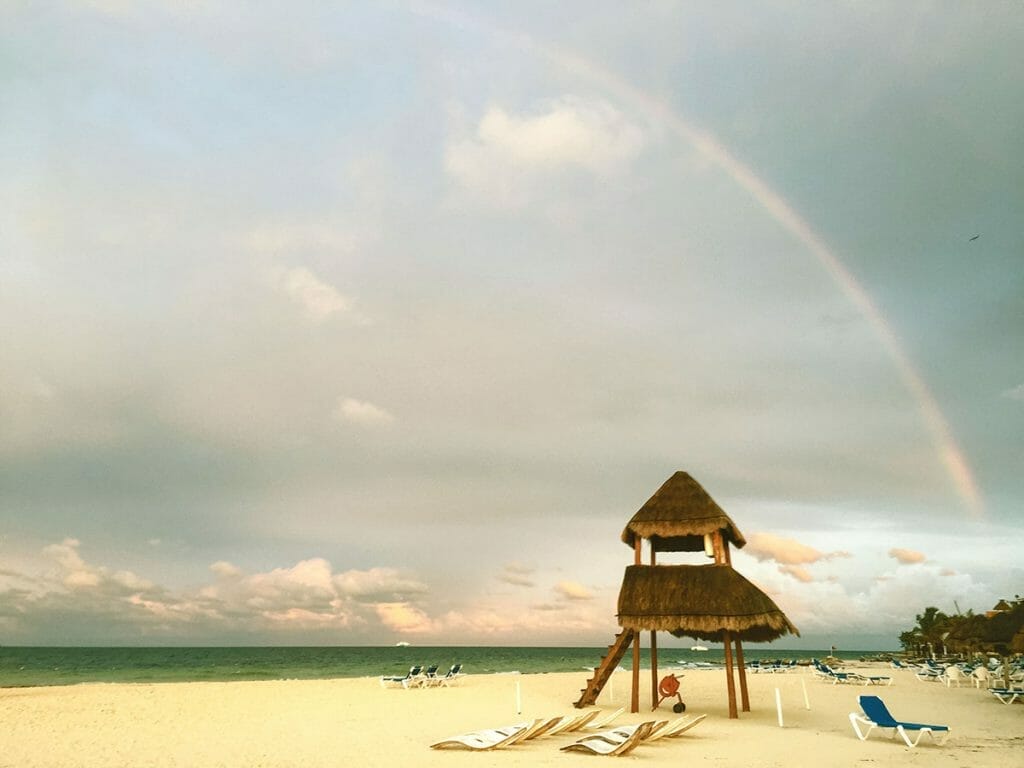
If you are one of those who want to relax on the sand without the bustle of the people around you, this time is perfect since the beaches of Cancun are almost empty. The number of tourists is so low that you will be able to enjoy almost exclusive beaches for you and your family on several occasions.
You will be able to enjoy all the attractions and services of the hotel without having to wait in long lines, which for many is something important since wasting time is not an option when you are in places like Cancun.
Security in tourist places increases since, as there are fewer crowds of people in the same place, security personnel are more attentive to details and thieves think twice before trying to do their thing.
Types of trips in low season in Cancun
Although traveling in the off-season can seem like a relaxing thing to do in terms of planning, it shouldn’t be taken lightly since, just like in high season, a lot of planning must be made before you can choose your final destination. When you travel to Cancun it is necessary to take into account the following tips in order to enjoy 100% of the experience that this place gives you.
Look for offers everywhere: In the low season is where you will get the most offers in Cancun, since hotels will seek to attract the largest number of tourists, so you should always be attentive to all the offers you get and compare them with the high season, in order to know if it’s worth it.
Plan ahead: To travel to Cancun it is best to plan well in advance, and more if you want to know all the emblematic places. Take into account all the details when planning and you can fully enjoy your trip.
Choose high season destinations: In Cancun, there are many hotels, and the best ones are always more in demand in the high season. Always look for these places to enjoy, since you can enjoy them in the best possible way without so many people around you.
Use technological tools: Because Cancun is one of the best-known tourist places in the world, they have been adapting to new technologies and that is an advantage for those looking to travel in the low season. Check the social networks of Cancun, look for applications that always alert you about offers and when it is low season in Cancun.
You might want to read: The best beaches in Cancun
Summarizing all the above, the low seasons in Cancun are 3:
January to March
May to June (After the Easter holidays and before the Summer holidays)
September to November
Of course, this same rule applies in the Riviera Maya, because let’s remember that it is part of the Cancun vacation experience and just as there is low season, let’s not forget to avoid the “Cancun high season”.
So now that you know when it is low season in Cancun, it is time to know all the things you can do, see, and where to go. To know some of them, click here right now.
Updated October 12, 2026. The original article above is preserved as historical content. Cancun does not have one fixed “low season,” and the January-to-March description above is no longer a dependable generalization: winter is often one of the destination’s busiest periods. Prices and crowds vary by holidays, school calendars, weather and each resort’s demand.
When is Cancun’s low season now?
For practical trip planning, Cancun’s softer-demand periods are usually found in late spring after major holiday travel and in parts of September, October and early November. These are tendencies, not guarantees. Easter, national holidays, conventions, weddings, airline capacity and limited-time promotions can make an apparently quiet week expensive.
January through March should generally be treated as high-demand winter travel rather than a predictable low season. Travelers from colder climates visit for warm weather, and spring-break demand can affect flights, resorts and entertainment areas. May and early June may offer better value between holiday periods, while late summer and autumn can bring lower prices together with greater weather uncertainty.

Low season versus shoulder season
“Low season” suggests that demand is consistently weak, but Cancun often behaves more like a year-round destination with short shoulder periods. A resort can be quiet from Monday through Thursday and busy for a wedding weekend. A flight may be inexpensive while a popular adults-only hotel remains full. Compare the complete trip rather than assuming every element will be discounted together.
Shoulder season can provide a better balance: lower rates than peak holidays, enough demand for restaurants and activities to operate normally, and less weather risk than the rainiest weeks. Flexible travelers should compare several seven-day windows rather than searching only by month.
Weather and hurricane-season planning
The Atlantic hurricane season officially runs from June 1 through November 30. That does not mean a hurricane will affect Cancun during your trip, but it does mean travelers should understand cancellation terms and monitor official information. The U.S. National Hurricane Center publishes official Atlantic tropical-weather advisories, while Mexico’s Servicio Meteorológico Nacional provides national forecasts and alerts.
Rain forecasts in the tropics do not always mean an entire washout. Showers may be brief and localized, but extended systems can produce several wet or windy days. Avoid booking every excursion in advance without a clear weather and cancellation policy. Leave at least one flexible day so reef, boat or cenote plans can move if conditions change.
What may be different at an all-inclusive resort?
Lower occupancy can improve access to loungers and restaurants, but it can also lead a resort to rotate restaurant openings, consolidate buffets or schedule maintenance. Ask the hotel which venues are expected to operate during your stay. Do not assume every advertised restaurant opens every night.
Renovations are more common during quieter periods. Before booking, check recent resort notices and ask whether pools, room blocks, beaches or restaurants will be affected. A strong discount may still be worthwhile if the closure does not matter to you, but it should not be a surprise.
How to compare a low-season deal
- Compare the final room price, including taxes and mandatory charges.
- Check whether the rate is refundable and when penalties begin.
- Compare flights, baggage and airport transportation together.
- Read the exact room category rather than relying on a promotional photo.
- Confirm which restaurants and facilities are operating.
- Review travel-insurance coverage for weather and named storms.
- Look at several nearby dates; a one-day shift can change airfare substantially.
- Check whether resort credits require additional spending.
Who benefits most from traveling in quieter months?
Couples who want a relaxed resort experience, remote workers with flexible dates and repeat visitors who do not need perfect conditions every day often benefit most. Families can also save money outside school holidays, but only when travel dates do not conflict with school requirements.
First-time visitors with one short vacation and a long list of weather-dependent activities may prefer a more predictable period even at a higher price. The best value is not simply the lowest room rate; it is the date that gives your group the experience it expects.
Excursions during lower-demand periods
Popular attractions can be more comfortable with fewer visitors, but transportation schedules and tour departures may be less frequent. Confirm the pickup time, minimum participant rules and refund policy. For help balancing day trips with resort time, see our Cancun excursion-planning guide.
Beach and marine conditions should guide the activity. A cenote or cultural visit can be a useful alternative when wind disrupts a boat outing. Browse our Cancun activities guide for options that suit different conditions.
Airport transportation and flight changes
Even in a quieter month, Cancun International Airport can be busy when several flights arrive together. Reserve transportation with the complete resort name and flight details. If the airline changes the schedule, update the provider rather than assuming the driver receives the information automatically. Our Cancun airport transportation guide explains private and shared options.
Frequently asked questions about Cancun’s low season
Is January low season in Cancun?
Usually not. Winter demand from international travelers can make January through March busy and expensive, especially around holidays and school breaks.
Which months are usually cheaper?
Late spring and parts of September through early November often show softer pricing, but holidays, events, flights and individual resort demand can change the result.
Does low season mean empty resorts?
No. Cancun operates year-round, and weddings, conventions or promotions can fill a property even during a quieter destination-wide period.
Will all resort restaurants be open?
Not necessarily. Resorts may rotate venues according to occupancy or maintenance. Ask for the expected dining schedule shortly before arrival.
Is hurricane season unsafe for travel?
It requires preparation rather than panic. Monitor official forecasts, understand the resort and airline policies, and consider suitable travel insurance. Follow local authorities if a system threatens the area.
Does a rainy forecast mean rain all day?
Not always. Tropical showers may be brief, but larger weather systems can create prolonged rain and wind. Keep flexible indoor or inland alternatives.
Are excursions cheaper in low season?
Some operators offer promotions, but lower demand can also mean fewer departures. Compare the full terms, transportation and cancellation rules.
Should I book a refundable resort rate?
A refundable rate can be valuable during weather-sensitive periods. Compare its premium with the risk you are willing to accept and any insurance coverage.
When should I reserve airport transportation?
Reserve once flight and hotel details are stable, then communicate schedule changes. A quiet month does not guarantee a quiet arrival hour.
Bottom line
Cancun’s modern travel patterns are more nuanced than three fixed low-season blocks. Search for shoulder-period value, compare complete trip costs, verify resort operations and plan realistically for weather. Flexible travelers can save money and enjoy a calmer stay without assuming that every January beach is empty or every autumn day is rainy.