
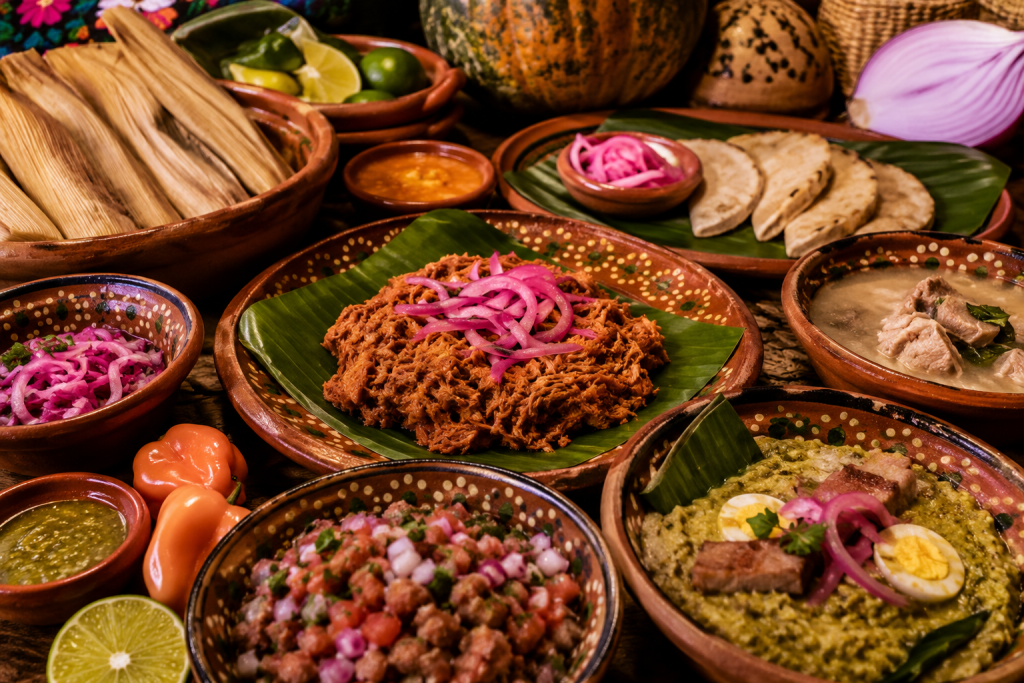
If you’ve ever wondered what history tastes like, just travel to the Yucatan Peninsula. Here, food doesn’t just nourish you; it creates a deep conversation between the Mayan past, European influences, and that burst of freshness that only the tropics provide. Forget the standardized menus you find elsewhere in Mexico; this land of cenotes, jungle, and white stone offers a gastronomic universe that deserves to be explored with calm, with hunger, and with a lot of curiosity.
Upon landing at the Cancun airport, you will feel that humid warmth that embraces you and warns you that you have entered a territory of intense flavors. To start this adventure on the right foot, avoid unnecessary complications with transportation. Many experienced travelers turn to Cancun Airport Transportation precisely to dodge the chaos of lines and endless negotiations upon leaving the terminal. A private unit, cool and ready to take you straight to your first culinary destination, gives you the luxury that is truly worth it after a long flight. This allows you to focus on what matters: planning what you will try first.
The Foundation of Everything: Corn and the Earth

People often associate the food of this region with a couple of popular names, but the true depth of Yucatecan cuisine encompasses much more. Everything is born from the land, in underground ovens, and in the masterful use of ingredients that seem designed for this climate.
Cochinita pibil, of course, reigns on the table. But I don’t mean that quick version from any tourist restaurant. I’m talking about pork that they marinate for hours in achiote, that seasoning that gives it its vibrant orange color and earthy aroma, and that they cook slowly until it falls apart when you touch it with a spoon. Serve it with red onion pickled in sour orange, and that is where the magic happens: the acidity of the onion cuts the fat of the meat and creates a balance that forces you to order one more taco.
But it doesn’t end there. Panuchos, those fried tortillas stuffed with black beans, serve as the perfect canvas for any stew. Whether you top them with cochinita, chicken, or simply avocado, the crunch of the tortilla with the softness of the beans will make you understand why they are the locals’ favorite breakfast. And if you want to raise the stakes, try salbutes; the difference is that the tortilla puffs up when fried, creating a light texture that melts in your mouth, something you simply have to experience to believe.
Flavors That Tell Ancient Stories
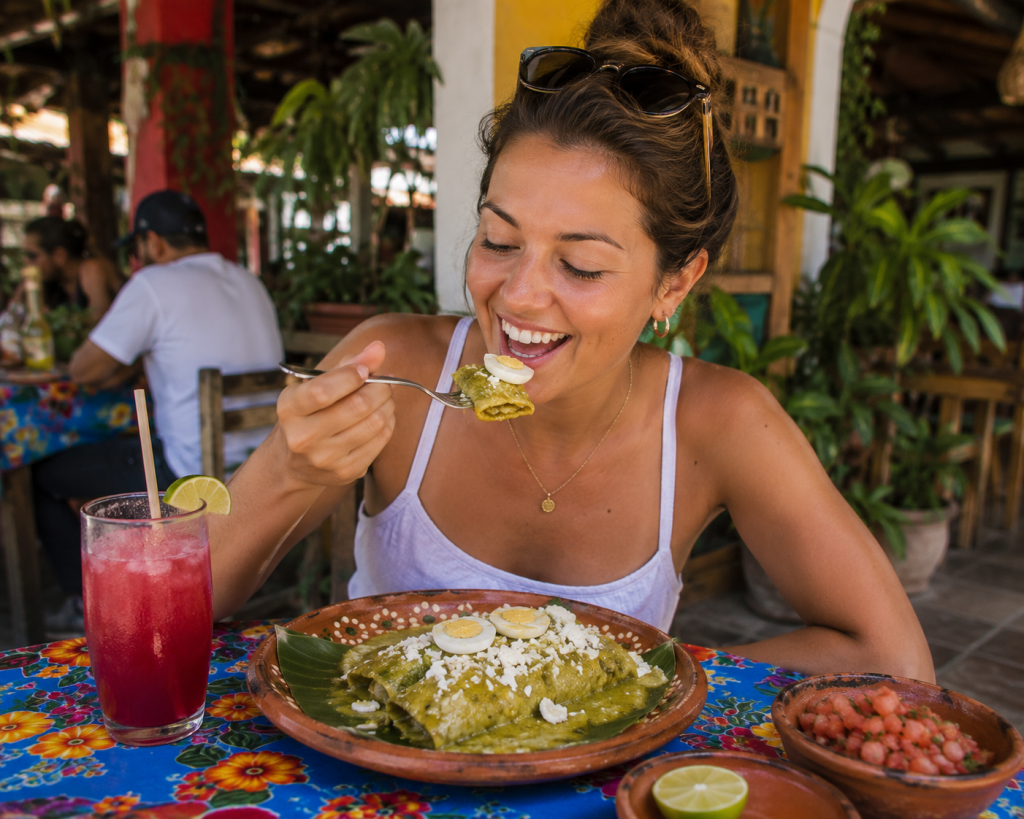
When searching for the best food on the peninsula, you will end up sitting in a small kitchen, perhaps in a market or in a house turned into a restaurant. There you will discover dishes like relleno negro. Its color strikes, almost intimidates, but its flavor makes up a symphony of charred spices and recado negro that will make you think of the grandmothers who spent hours in front of the stove perfecting the recipe.
Also, don’t ignore the queso relleno. It represents a jewel of mestizo cuisine: take a ball of Edam cheese, hollow it out, and stuff it with a mixture of ground meat, capers, and raisins, then bathe it in tomato sauce or kol. This mix of textures and sweet and salty contrasts personifies the culinary blending everyone talks about, but which very few stop to analyze while they enjoy every bite.
Following tradition, don’t miss the papadzules. Imagine hard-boiled egg tacos bathed in a pumpkin seed and tomato sauce that is pure cream. It is a dish that seems simple, but its technical construction is so elegant that you will wonder why they don’t serve it like that everywhere. It is the perfect example of how humble ingredients become haute cuisine with ancestral knowledge.
From Sea to Table: The Freshness of the Caribbean
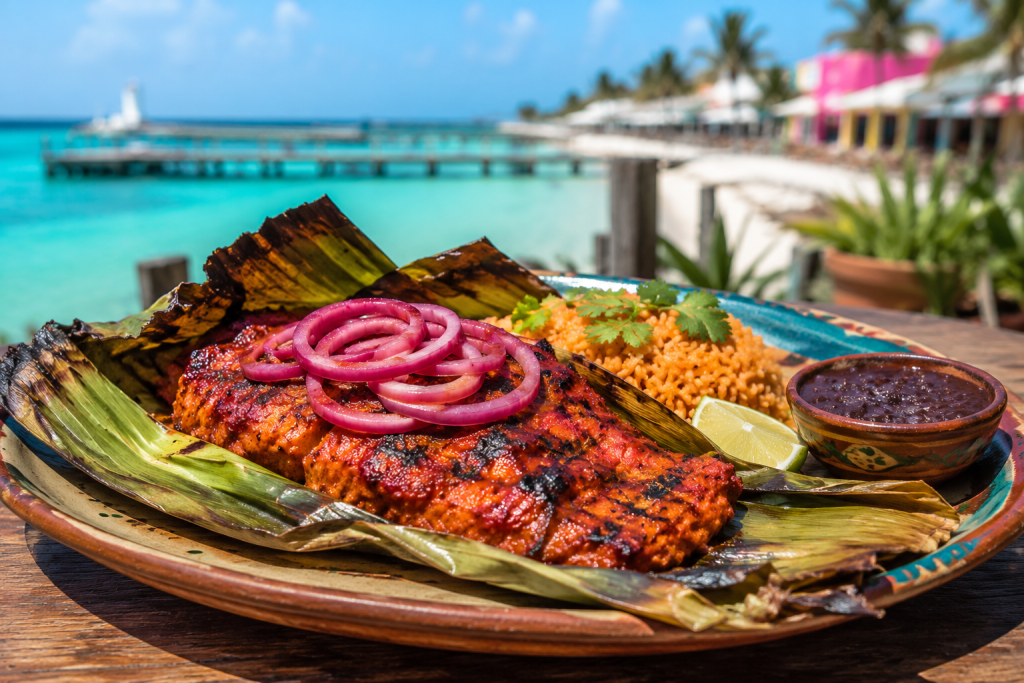
Being so close to the Caribbean, you would commit a capital sin if you didn’t try the gastronomy that comes from the ocean. Here, ceviches possess their own signature; they prepare them with the freshest fish you can imagine and, almost always, with a generous dose of habanero chili. The habanero here doesn’t punish; it elevates.
If you pass through any coastal town or even in the quieter areas of the Riviera Maya, look for the tikin xic fish. It represents the essence of life on the peninsula: fresh fish, achiote, local spices, and fire. Simple, unpretentious, but absolutely unforgettable. It’s that kind of food that, after a day under the sun, connects you with the place in a way that no hotel buffet allows.
You also have to try the dzotobichay, a type of tamale wrapped in chaya leaves. Chaya, a local plant with incredible nutritional properties, gives it an herbal and fresh flavor that cleanses the palate. And speaking of seafood, the fish a la veracruzana has its own Yucatecan version, heavier on spices and with that touch of sour orange that changes the whole game.
Details That Make the Difference
Touring the peninsula to try all this requires logistics. Between cenotes, archaeological sites, and visits to local kitchens, time flies. For that reason, delegating the transfer part to experts like Cancun Airport Transportation represents one of the best decisions you will make. They don’t just take you from point A to point B; they make your journey comfortable and safe so that, at the end of the day, your only concern is deciding whether you are going to have a second dessert or head straight to rest.
Another important thing: stay open to the unknown. Sometimes, the best dish of the trip will be something you don’t even know how to pronounce well, or something they offer you at a roadside stand on the way to Valladolid. Yucatecan cuisine rewards those who dare to try the authentic, what comes out of the smoking stove of a family kitchen.
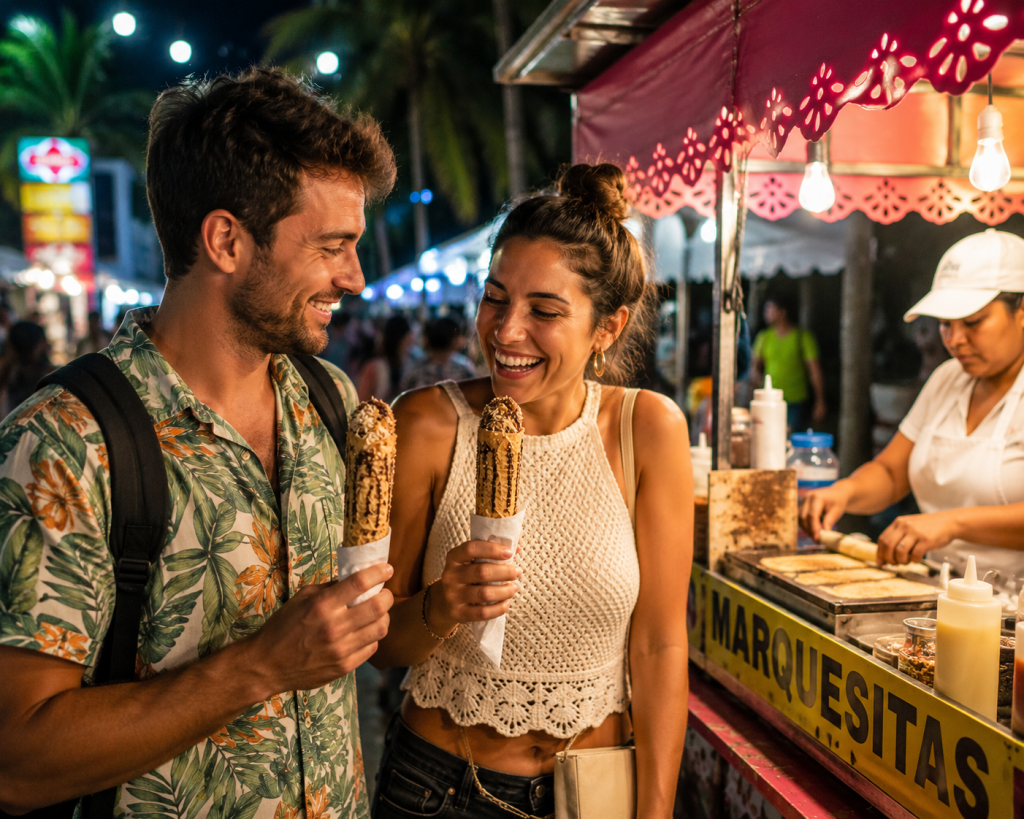
To finish this experience, don’t forget the desserts. The marquesita is mandatory on any night stroll. That crispy, rolled crepe-like wafer filled with shredded Edam cheese and cajeta is the perfect balance between salty and sweet. And if the heat kicks in, you will always find horchata or chaya water with pineapple to refresh yourself.
Traveling through Yucatan means living a constant feast. Here, people measure time in slow cooking and long conversations that stretch until sunset. So, the next time you land, don’t look for what you already know. Let yourself be carried away by the aromas of achiote, the mischievous kick of the habanero, and the warmth of those who know, better than anyone, how to make you feel at home through what they serve on your plate. The table is set; what are you going to order first?