
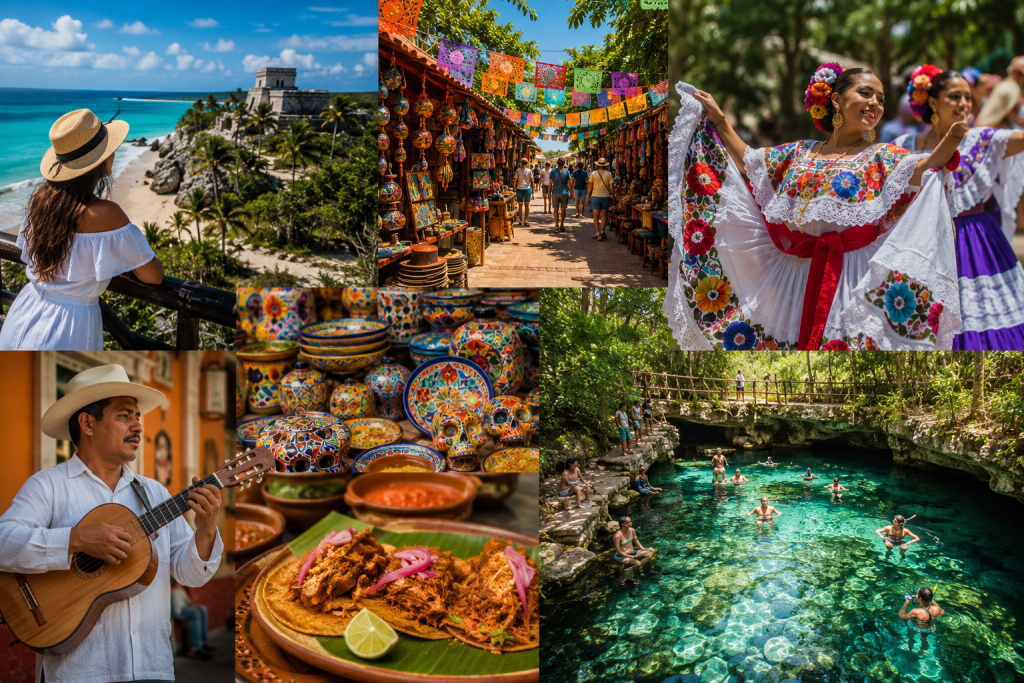
Most travelers automatically associate Cancun with high-rise luxury resorts, vibrant neon nightlife, and long stretches of white sand beaches framing a brilliant turquoise sea. While that specific postcard represents a massive part of its modern appeal, an entire universe of rich traditions, historic architecture, and deep flavors exists just beyond the boundaries of the main hotel strip. Clearly, stepping off the well-beaten tourist track opens up the real soul of the Yucatan Peninsula, a place where ancient Mayan roots blend seamlessly with the colorful energy of contemporary Mexican neighborhood life.
To explore these fascinating local pockets without the overwhelming stress of navigating local bus routes or negotiating unpredictable street taxi rates, arranging a dedicated private transfer is an absolute game-changer. Accordingly, opting for a trusted, professional provider like Cancun Airport Transportation ensures that your journey into the heart of regional culture remains completely seamless from the moment you exit the arrivals terminal. Having a comfortable, air-conditioned vehicle and a knowledgeable driver waiting for you makes it incredibly easy to transition from your resort to the bustling markets and historic sites of the mainland with total peace of mind.
The lively rhythm of El Parque de las Palapas
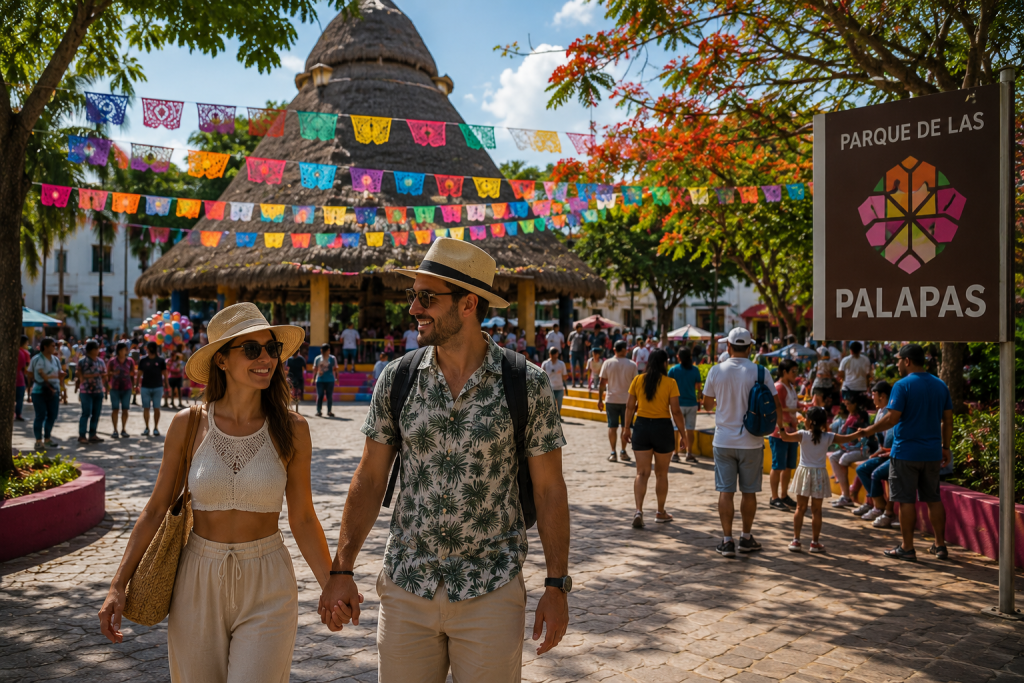
The undeniable heart of daily community life beats loudest at El Parque de las Palapas, a sprawling public square tucked away in the center of downtown Cancun where local families gather every single evening as the daytime heat begins to fade. Walking through this vibrant plaza offers an immediate, sensory immersion into authentic neighborhood culture that feels worlds away from the manicured resort lawns. The open air constantly carries the sweet, unmistakable aroma of marquesitas, which are crispy, rolled-up crepes stuffed with a traditional combination of savory Edam cheese and sweet chocolate sauce.
Children chase soccer balls across the concrete while elderly couples chat on park benches and local musical groups frequently take over the main stage to play acoustic regional tunes. In fact, spending an evening wandering around this plaza allows you to witness the genuine, unscripted warmth of the people who actually call this coastal city home. Undoubtedly, it provides the perfect introductory setting to sit back, enjoy a cup of fresh corn esquites with chili and lime, and watch the real Cancun unfold naturally around you.
Mercado 23 a sensory journey through regional ingredients
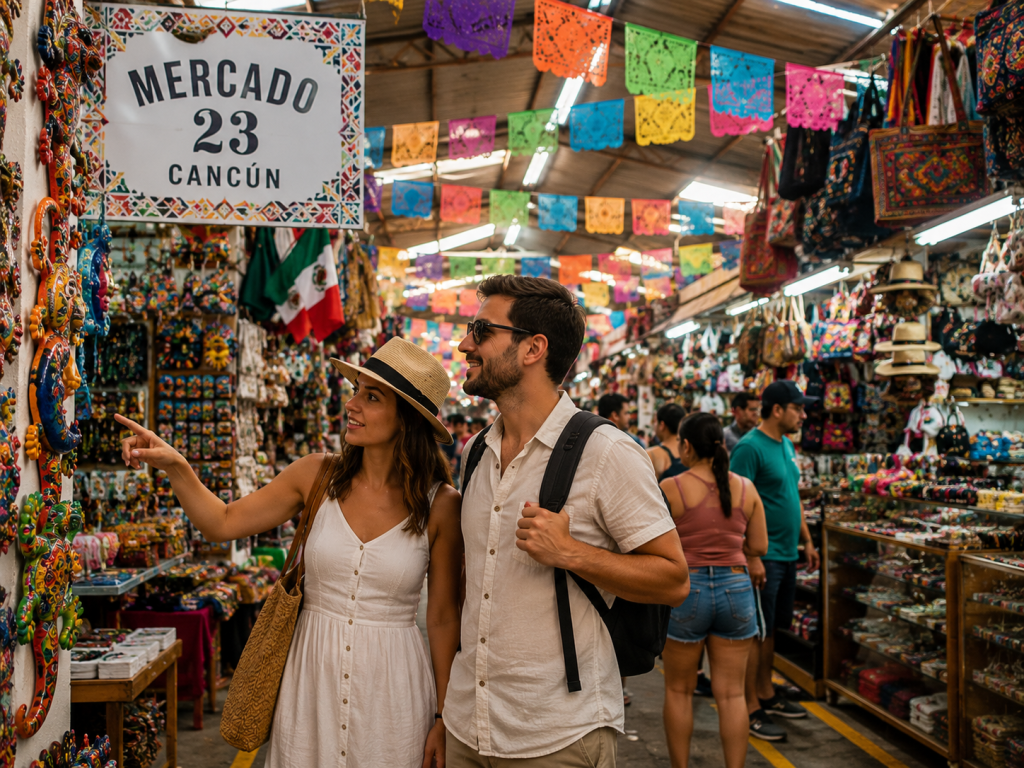
While many guidebooks point casual visitors toward the large souvenir stalls of Mercado 28, true food lovers and cultural enthusiasts consistently head to the smaller, much more authentic Mercado 23. This bustling neighborhood market functions as a vital lifeline for downtown residents who come here daily to purchase fresh produce, aromatic spices, and everyday household goods. The narrow, labyrinthine aisles smell deeply of fresh cilantro, earthy dried chiles, and warm corn tortillas rolling straight off the local factory conveyor belts.
The vibrant colors of tropical fruits like mamey, soursop, and dragon fruit create stunning displays that immediately catch your eye at every single turn. Furthermore, the tiny, family-run food stalls scattered throughout the market premises serve up incredible, highly affordable Yucatecan delicacies like salbutes and panuchos, which are handmade tortillas topped with shredded turkey, avocado, and pickled red onions. Exploring this market space allows you to connect directly with the agricultural and culinary roots of the region through its most basic, everyday ingredients.
Ancient footprints at El Rey Archaeological Zone
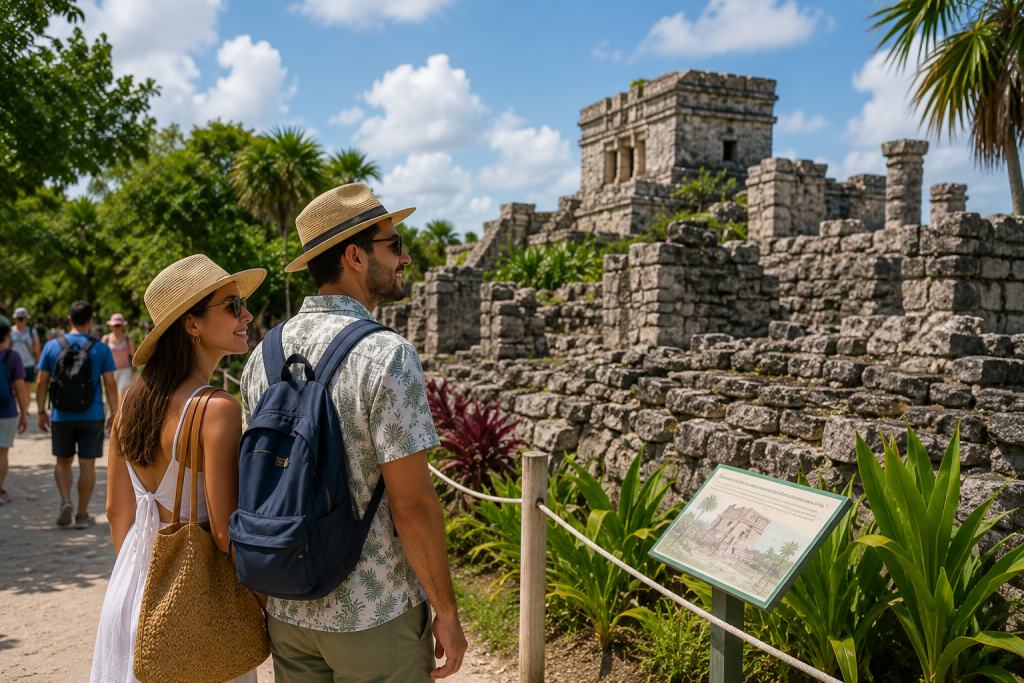
You do not necessarily have to commit to a grueling, three-hour highway drive to Chichen Itza just to experience the incredible architectural legacy of the ancient Mayan civilization. Instead, hidden in plain sight right along the southern stretch of the modern Hotel Zone lies El Rey Archaeological Zone, a remarkably peaceful historic site featuring nearly forty distinct stone structures that once formed a crucial Mayan fishing and maritime trading outpost. Walking along the quiet, sun-drenched pathways allows you to admire ancient platforms and ceremonial buildings without having to jostle through massive tour bus crowds.
Furthermore, the true charm of this specific site relies heavily on its current, non-human inhabitants, as hundreds of large iguanas have claimed the ancient stone walls as their personal sunbathing sanctuaries. Consequently, watching these prehistoric-looking creatures crawl lazily over centuries-old carvings creates a beautifully surreal atmosphere that beautifully bridges the gap between natural history and ancient human ingenuity. It serves as an ideal morning escape for travelers who want to absorb historical mystery while keeping their feet firmly planted near the coastline.
Unveiling history at the Mayan Museum of Cancun
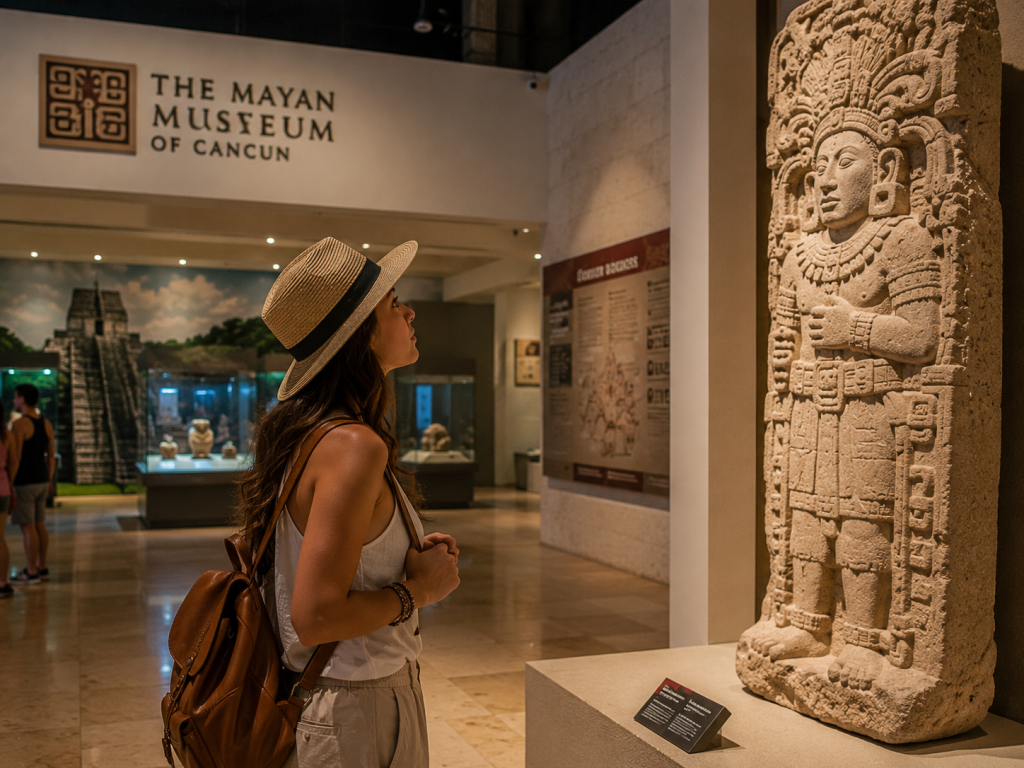
To contextualize the various ruins scattered across the peninsula, a visit to the Mayan Museum of Cancun stands as an absolute cultural necessity. Housed in a striking, aggressively modern architectural complex that incorporates the surrounding jungle foliage into its open-air walkways, this institution safeguards one of the most significant collections of pre-Hispanic Mayan artifacts in the country. The masterfully curated exhibition rooms display everything from intricately carved jade jewelry and funerary masks to ancient skeletal remains and utilitarian pottery recovered from historic sites like Palenque and Comalcalco.
The exhibit design consciously emphasizes the complex mathematical, astronomical, and agricultural systems that allowed the Mayan people to thrive in dense jungle environments for millennia. Moreover, the entry ticket includes direct access to San Miguelito, a lush, forested archaeological site located right on the museum grounds where hidden structures peek out from beneath towering tropical trees. Therefore, visiting this museum provides the essential historical foundation that completely enriches your understanding of every other cultural landmark you encounter during your vacation.
The outdoor galleries of downtown street art
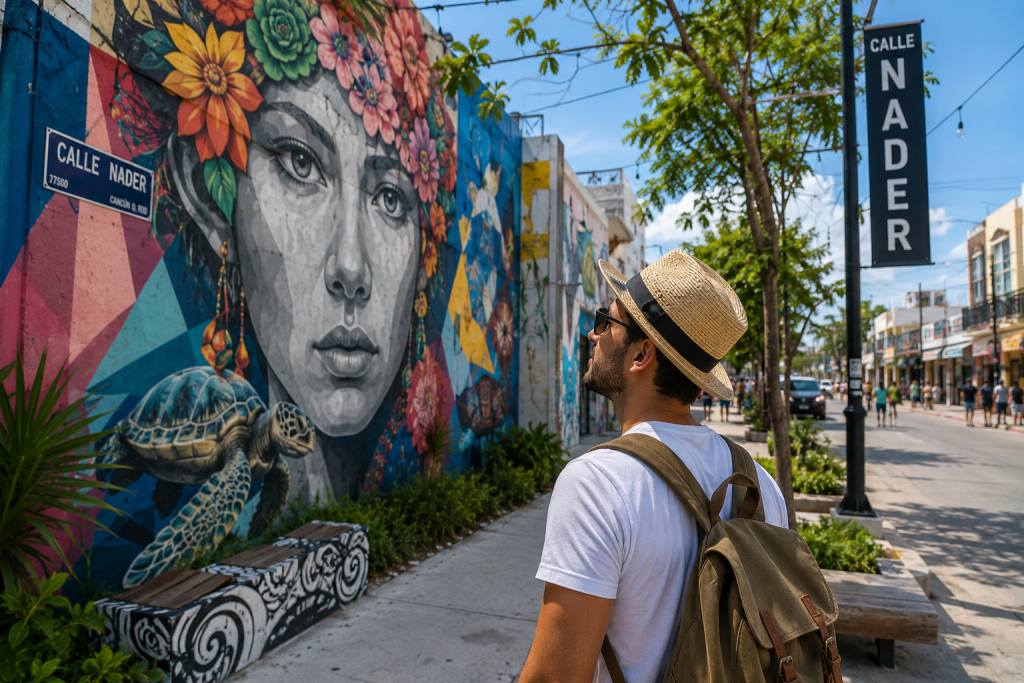
Over the last decade, a vibrant contemporary art movement has quietly taken over the older neighborhoods of downtown Cancun, effectively turning plain concrete walls into massive, thought-provoking outdoor galleries. Talented Mexican and international muralists have covered the facades of buildings along Avenida Bonampak and Avenida Nader with breathtaking, multi-story paintings. These incredible public art pieces visually narrate profound local stories, ranging from urgent messages about marine conservation and jaguar protection to beautiful representations of indigenous Mayan faces and folklore.
Taking a self-guided walking tour through these creative avenues allows you to discover a completely different, decidedly bohemian side of the city. As a result, you will find yourself stumbling upon independent specialty coffee shops, small artisan boutiques, and hidden mezcal bars where young local creatives gather. Certainly, this evolving street art scene proves that Cancun’s cultural identity is not just a static relic of the ancient past, but a living, breathing force that continues to adapt and reinvent itself through modern expression.
MUSA the surreal fusion of art and marine life
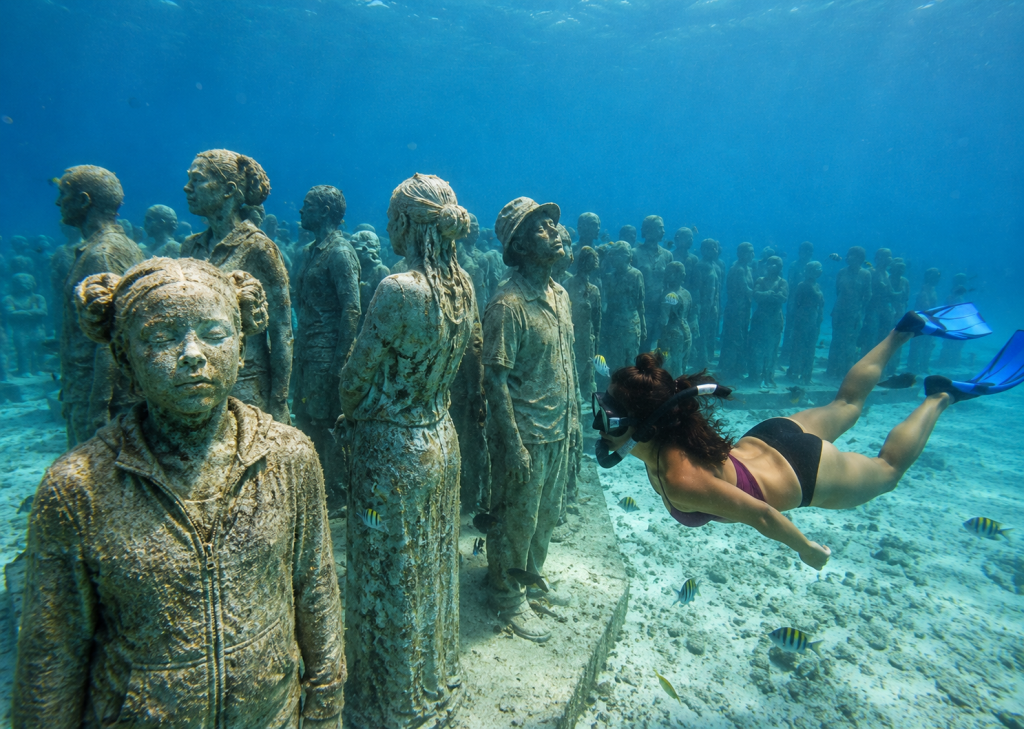
If you wish to experience art through a truly adventurous lens, the Underwater Museum of Art, widely known as MUSA, offers an entirely unparalleled cultural excursion. Located deep within the clear waters surrounding Cancun and neighboring Isla Mujeres, this monumental marine project features over five hundred life-sized sculptures permanently anchored to the ocean floor. Renowned international sculptors cast these hauntingly beautiful figures from specialized, pH-neutral marine concrete designed specifically to encourage the rapid growth of natural coral colonies.
Over the years, the relentless forces of the ocean have completely transformed these static human figures into thriving artificial reefs teeming with colorful tropical fish, sea turtles, and delicate coral fans. In particular, exploring this underwater world via a snorkeling excursion or a scuba dive reveals a striking commentary on the relationship between humanity and the environment. Indeed, the changing appearance of the sculptures proves that nature and human creativity can cooperate beautifully to heal and protect fragile marine ecosystems.
The lively floating traditions of Xoximilco
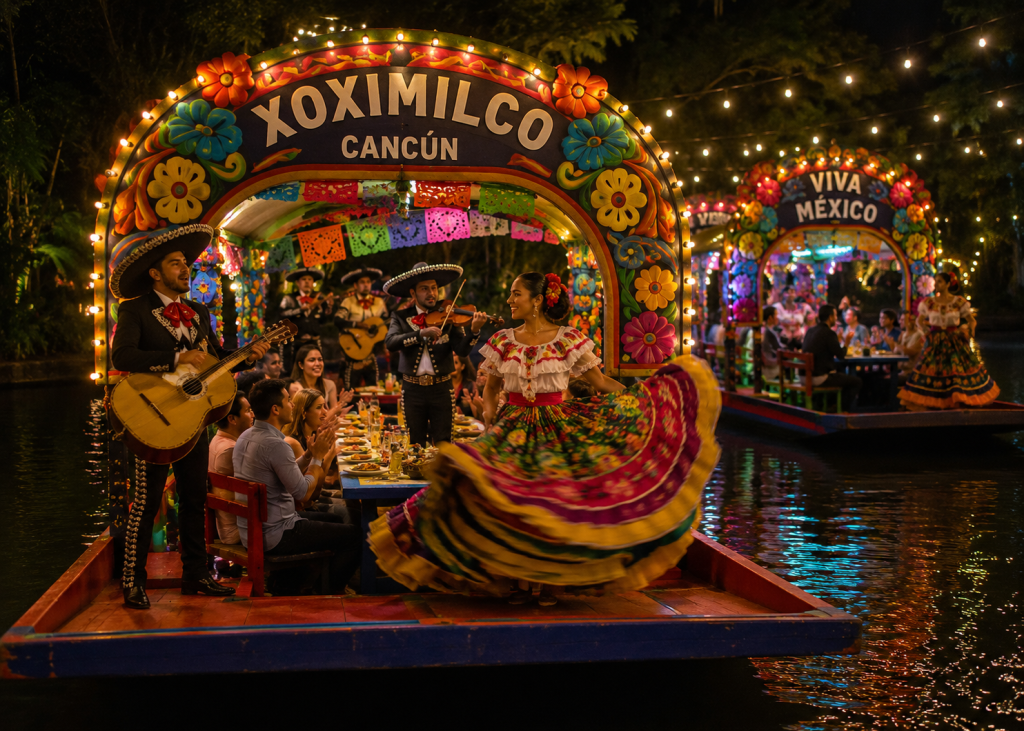
For travelers looking to experience the festive, musical folklore that defines central Mexico, Xoximilco Cancun recreates the magic of the iconic historic canal boats of Mexico City right in the heart of the southeastern jungle. In fact, the experience begins the moment you board a brightly painted, illuminated wooden trajinera boat to glide gracefully down a network of scenic artificial canals under the starlit sky. The entire evening functions as a joyful, high-energy tribute to Mexican party culture, complete with open bars, traditional games, and incredible live music.
As your boat floats along the dark water, other trajineras carrying authentic mariachi bands, traditional marimba players, and passionate norteño musicians pull up alongside you to serenade your group. Thus, the atmosphere quickly transforms into a shared celebration, complemented by a multi-course tasting menu that introduces your palate to classic dishes from various regions of the country. Ultimately, it offers a brilliantly organized, incredibly fun way to absorb the diverse musical and culinary traditions of Mexico in a single night.
Spiritual purification in the sacred Temazcal
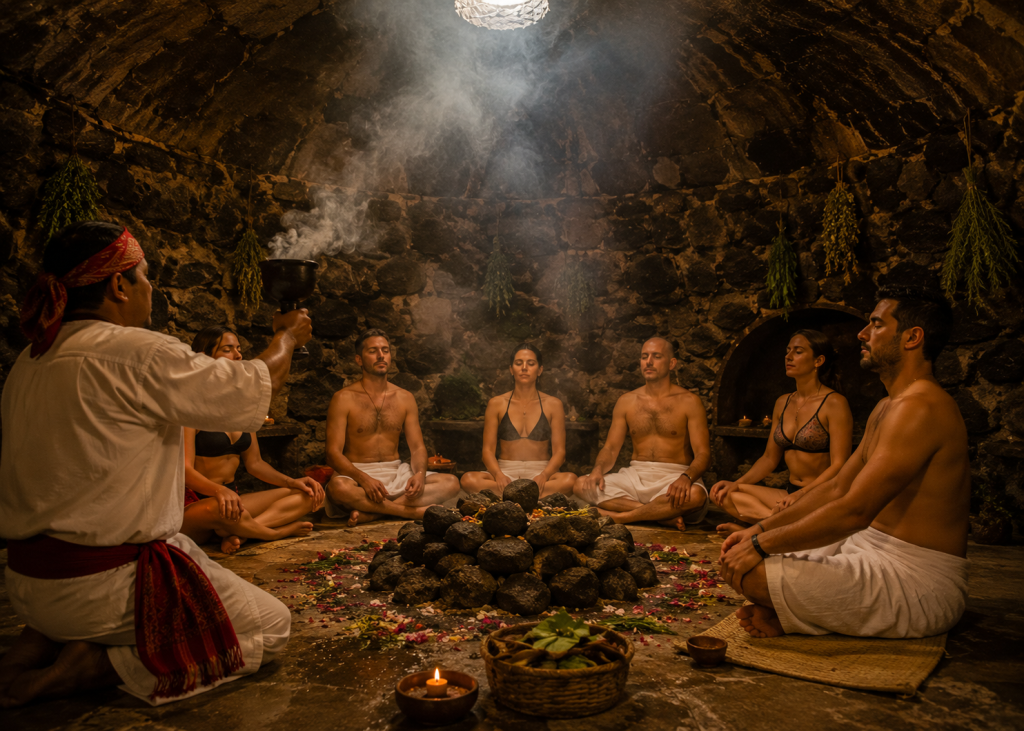
Deep within the quiet jungle canopies located just outside the city limits, ancient spiritual traditions remain fiercely alive through the sacred practice of the temazcal. This ancient pre-Hispanic steam bath, which indigenous communities have preserved carefully for centuries, takes place inside a low, dome-shaped stone structure designed to represent the symbolic womb of Mother Earth. Guided entirely by a traditional local shaman, the intense ceremony involves placing glowing, fire-heated volcanic stones into a central pit and dousing them with water infused with medicinal herbs like rosemary and copal resin.
As the dark chamber fills with dense, aromatic steam, the shaman leads the participants through rhythmic chanting, deep breathing exercises, and emotional reflections aimed at physical and psychological release. Meanwhile, stepping out of the intense heat of the lodge into the cool jungle air feels like a literal rebirth, leaving your body detoxified and your mind completely centered. Participating in this ancient ritual goes far beyond standard vacation wellness, offering a profound glimpse into the deeply mystical worldview of the Mayan people.
Waking up to authentic Cochinita Pibil
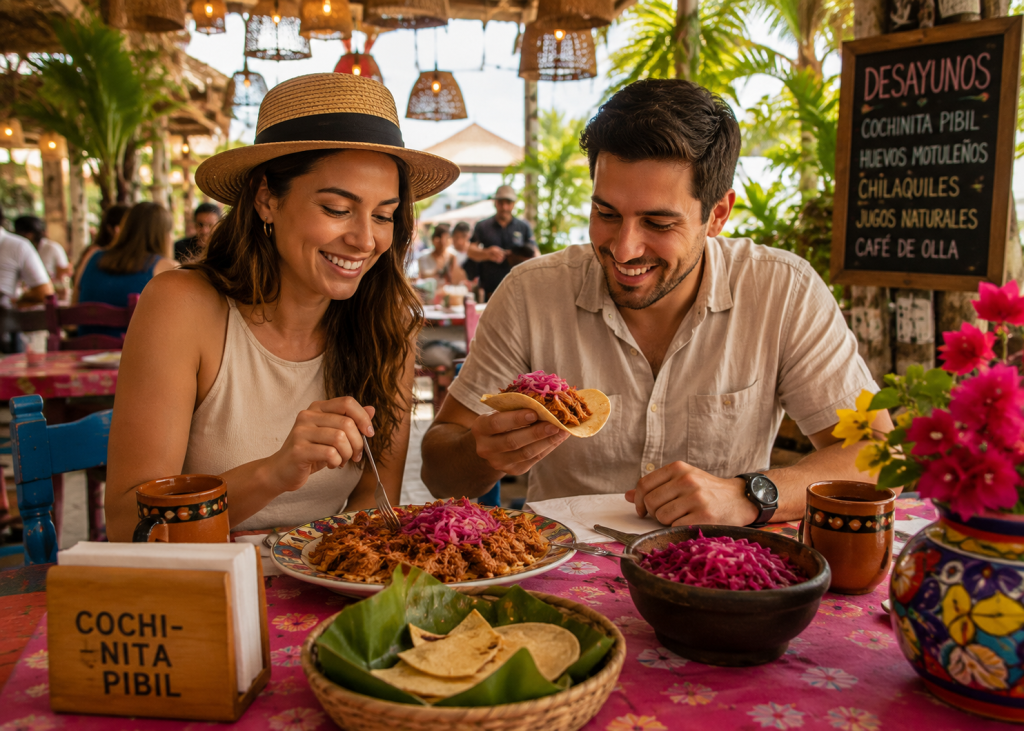
You cannot claim to truly understand the flavor profile of the Yucatan Peninsula until you have dedicated a morning to eating cochinita pibil at a humble street food stall in downtown Cancun. This legendary regional dish consists of tender pork meat heavily marinated in an earthy paste made from bitter Seville oranges and vibrant red achiote seeds. Specifically, traditional cooks wrap the marinated meat securely in thick, green banana leaves and bury it deep underground to slow-cook over hot coals for twelve hours straight.
The meticulous process results in a meat so incredibly tender that it effortlessly falls apart at the slight touch of a fork. Hence, local vendors shred this savory meat into warm, handmade corn tortillas or crusty torta bread rolls, topping it off with a generous spoonful of pickled red onions and fiery habanero pepper salsa. Undoubtedly, joining the morning crowd of locals lining up around these street carts provides an authentic culinary breakfast experience that defines the bold, complex identity of Yucatecan cooking.
The historic fishing charm of Puerto Juarez
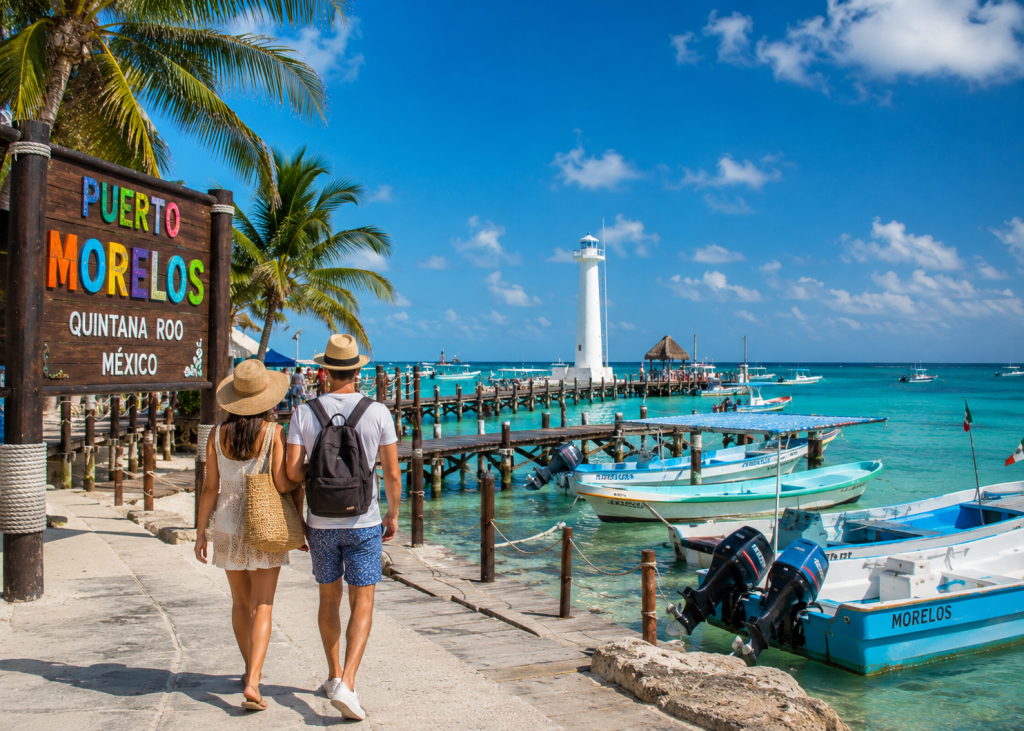
To conclude your cultural journey, taking a short trip north to the old maritime neighborhood of Puerto Juarez allows you to experience the original, seafaring roots of Cancun before the massive tourism boom took hold. This historic dock area still maintains the relaxed, unhurried atmosphere of a traditional Caribbean fishing village, where local fishermen pull their wooden pangas onto the sand daily to clean their morning catch. Accordingly, the rustic, open-air seafood restaurants lining the water’s edge serve up some of the freshest, most authentic seafood dishes found anywhere in the municipality.
The absolute highlight of any meal here is ordering a whole tikinxic fish, an ancient Mayan recipe where fresh grouper or snapper is seasoned generously with local achiote paste, laid over a bed of sliced tomatoes and onions, and grilled directly over hot coconut husks. In fact, sitting at a wooden table with your toes tucked into the sand, enjoying a perfectly grilled fish while watching the ferry boats cruise back and forth to Isla Mujeres, provides the perfect environment to unwind. Ultimately, this experience offers an incredibly peaceful conclusion to your deep exploration of local culture.
Navigating your cultural adventure with Cancun Airport Transportation

Piecing together an ambitious itinerary that seamlessly spans the quiet historic corners of the downtown mainland, hidden jungle sweat lodges, and coastal ruins requires a smart, highly dependable logistics strategy. However, attempting to hail random taxis on the street or trying to decipher local public bus routes can quickly drain your limited vacation energy, often resulting in frustrating delays and unexpected expenses. Instead, the most practical and comfortable choice for travelers looking to experience the region correctly is securing a premium private vehicle service.
For instance, utilizing Cancun Airport Transportation allows you to completely take control of your travel schedule, providing personalized, point-to-point transfers in spacious, modern vehicles equipped with ice-cold air conditioning. Their team of highly professional, fully licensed drivers knows the geography of the entire Cancun and Riviera Maya region perfectly, ensuring that you arrive at every single cultural destination safely and exactly on time. Thus, by eliminating the anxiety of transport logistics and relying on a top-tier private service, you successfully unlock the freedom and tranquility necessary to fully immerse yourself in the authentic soul of Cancun.